Exploring Digital Wellness Through a Public Health Lens: Summer in MS with Twambo Nambao, MBChB
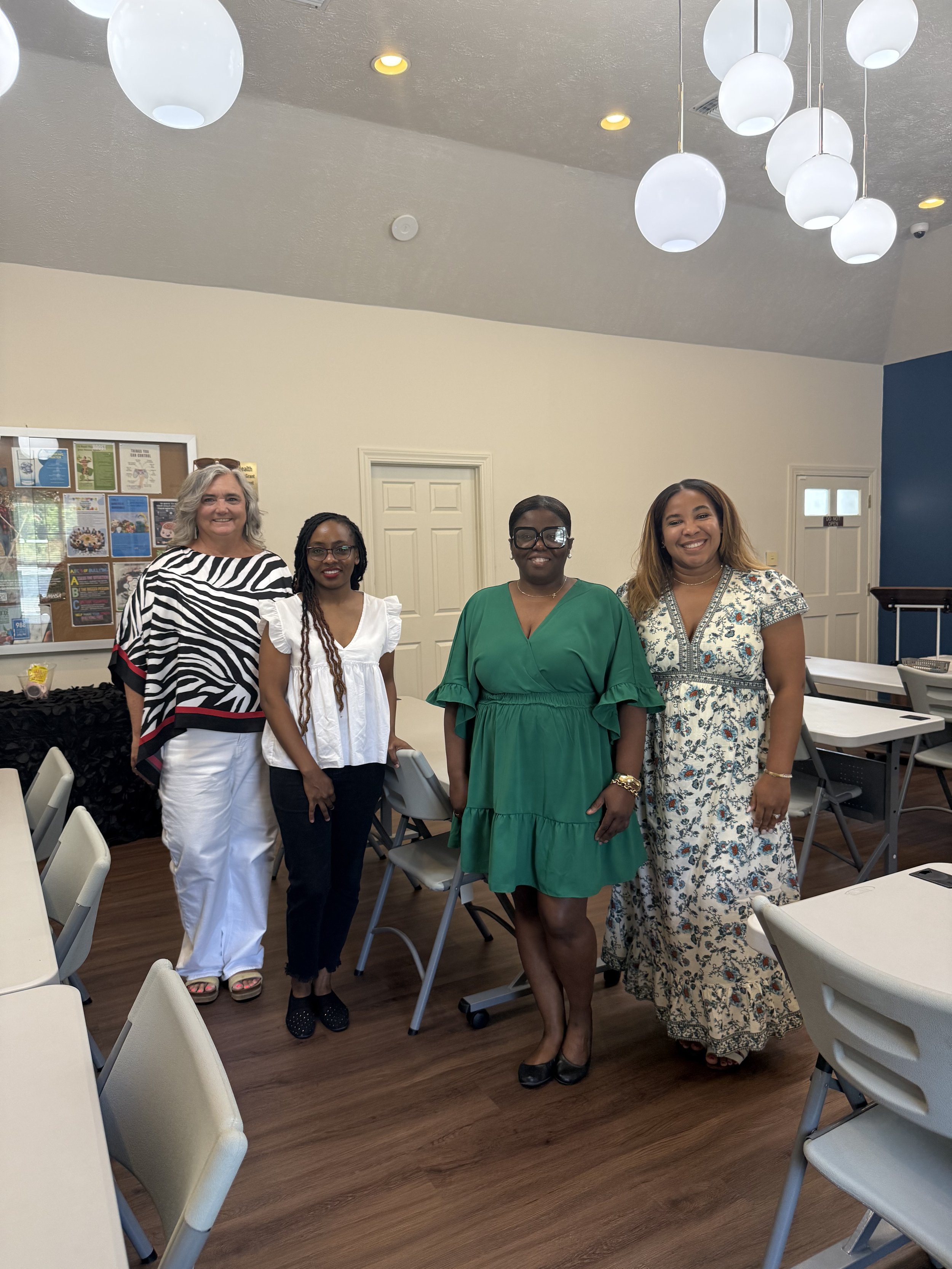
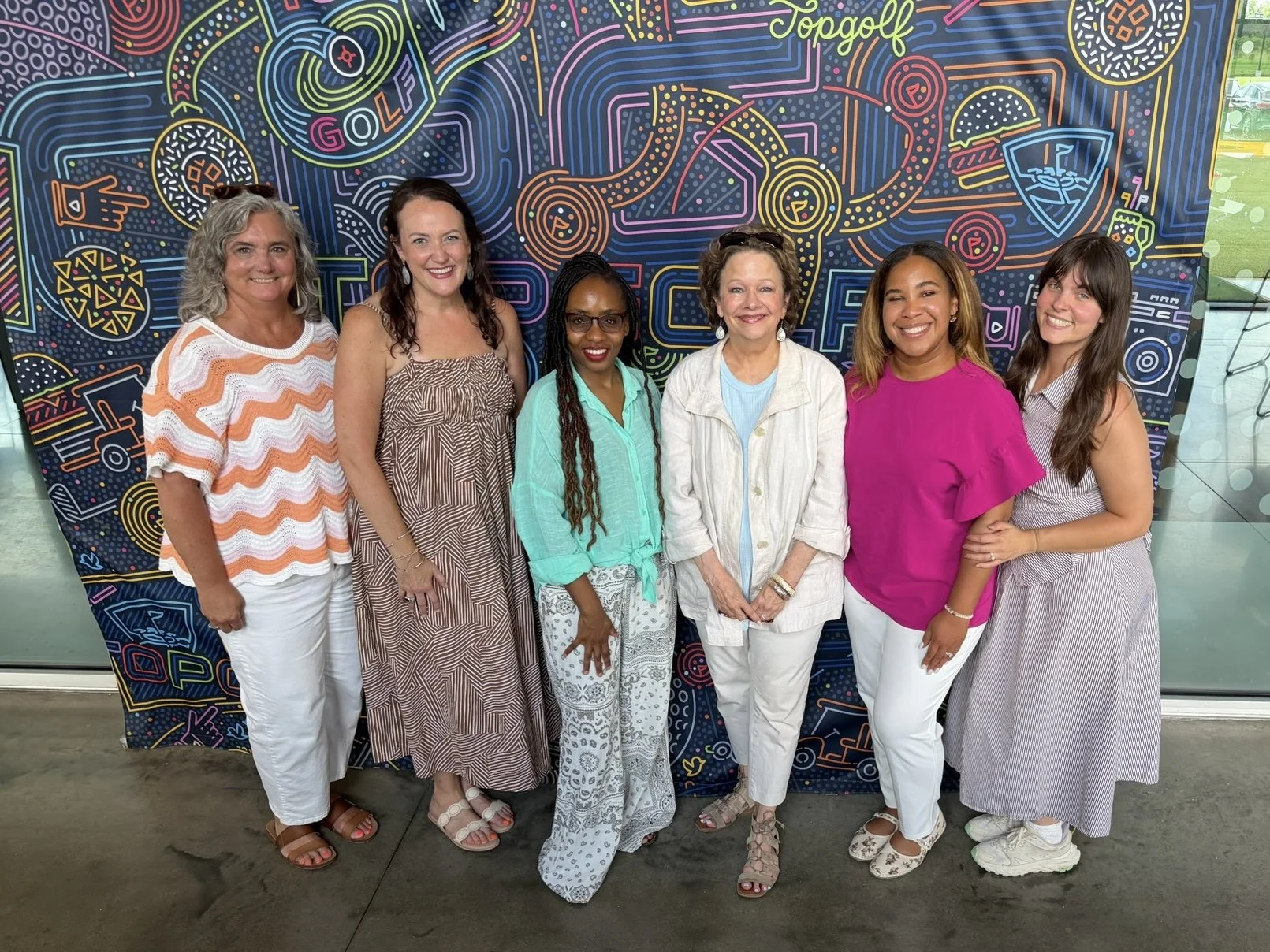
This summer, the Children’s Foundation of Mississippi welcomed Twambo Nambao, a physician from Zambia and Doctor of Public Health (DrPH) candidate at the Harvard T.H. Chan School of Public Health, as a Winokur Fellow. During her time in Mississippi, Twambo worked with our team on “Exploring the Impact of Social Media on Children and Youth in Mississippi.” Her fellowship brought a unique public health lens to our growing digital wellness work, exploring how social media, technology, and screen time may intersect with children’s health, development, relationships, learning, and overall well-being.
While the project began with questions about social media and technology, much of Twambo’s work centered on listening. Over the course of the summer, she engaged with children, parents, educators, healthcare professionals, researchers, nonprofit leaders, policymakers, and others whose experiences and expertise offered different perspectives on the role digital media plays in children’s lives.
Those conversations helped broaden the questions at the center of the project. How does technology fit into the larger picture of child well-being? What can we learn when we look at digital media through a public health lens? How can families, schools, healthcare professionals, communities, researchers, and policymakers better understand both the opportunities and concerns that may come with an increasingly connected world?
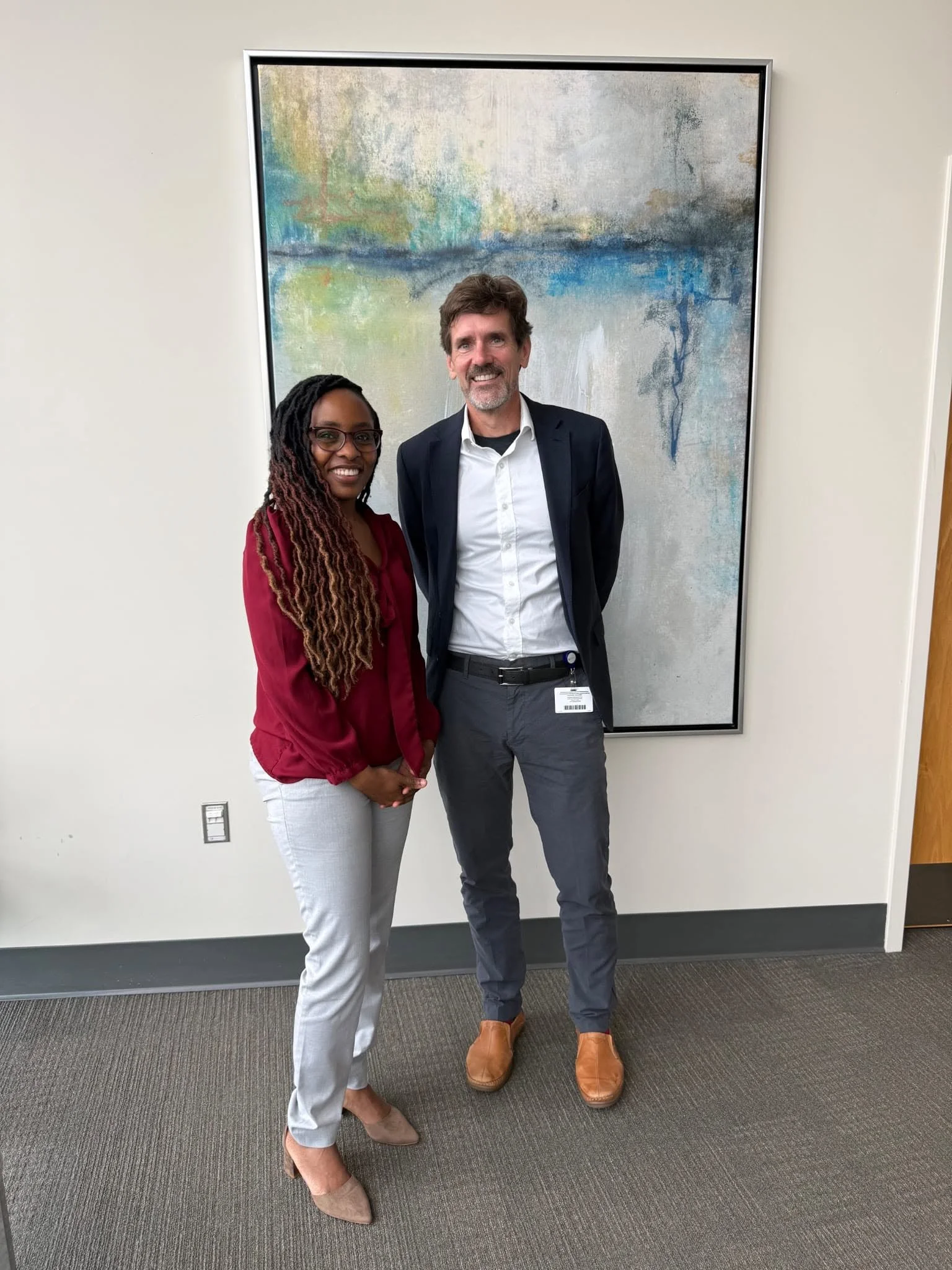
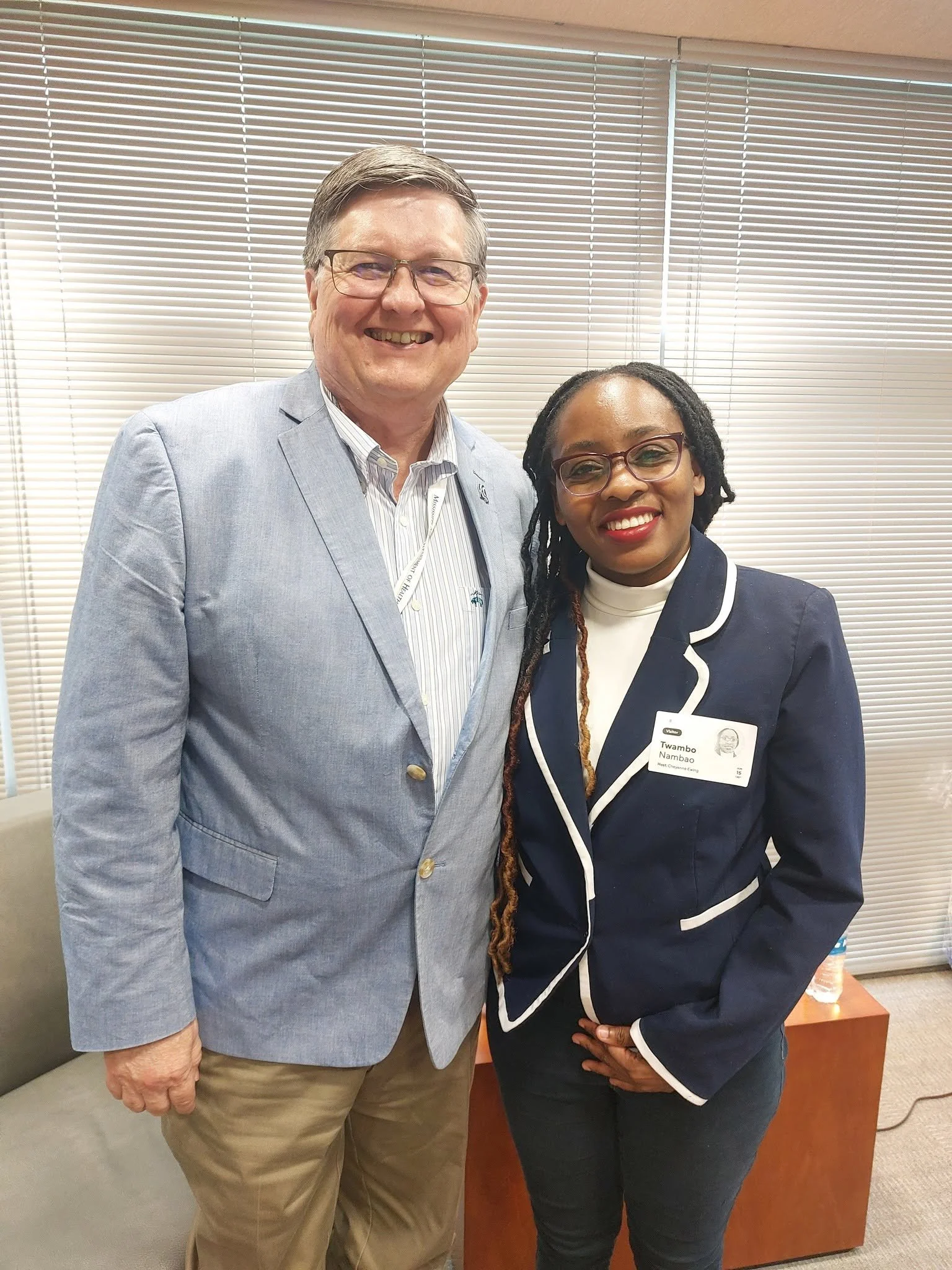
Twambo also had the opportunity to learn from leaders approaching these questions from different perspectives, including Dr. Michael Rich, Founder and Director of the Digital Wellness Lab; Dr. Thomas Dobbs, Dean of the John D. Bower School of Population Health at the University of Mississippi Medical Center; Dr. Daniel Edney, Mississippi State Health Officer; and Mississippi Representative Jill Ford. Their conversations explored topics ranging from children’s relationships with technology and systems-level approaches to public health, to community partnerships, policymaking, and the importance of grounding decisions in both evidence and lived experience.
One idea became especially meaningful throughout Twambo’s fellowship: digital wellness is not simply about eliminating technology. It is about understanding balance.
Technology can help children learn, connect, create, and access new opportunities. At the same time, children also need opportunities to play, imagine, build relationships, engage with the world around them, and simply be children. Understanding how those experiences fit together requires continued learning and perspectives from many different people.
Twambo’s fellowship came at an important time for the Children’s Foundation of Mississippi as we continue expanding our work around digital wellness and child well-being. Her research and conversations added another perspective to the questions we are continuing to explore, while helping us think more intentionally about what it means to examine digital media and technology as part of the broader environments in which children grow, learn, and develop.
We are grateful to Twambo for the curiosity, thoughtfulness, and public health perspective she brought to this work, and to everyone who shared their time, experiences, and expertise with her throughout the summer. The fellowship may have lasted only a summer, but the questions and conversations it helped advance will continue as we learn more about how digital media and technology fit into the lives and well-being of Mississippi’s children!